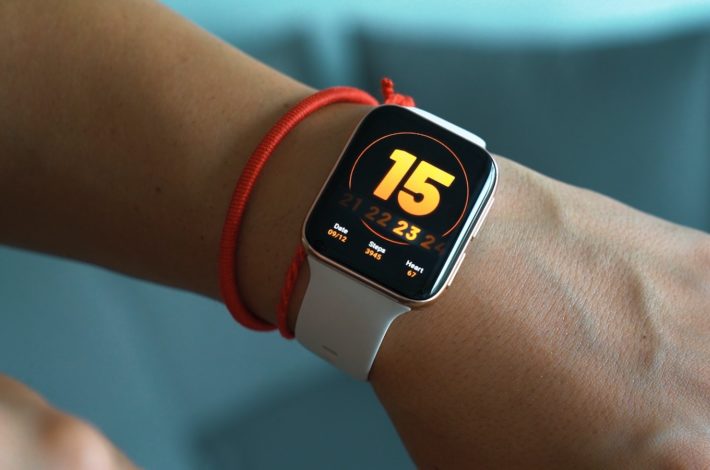
silver aluminum case apple watch with red sport band

Top 11 Fitness Industry Trends That Could Define 2025-2035

With the arrival of the New Year, everyone aspires to be fit. People try to include the latest trends to achieve desired fitness. These trends come and go, but what matters is what is new and upcoming. Various fitness trends are being followed over the years. There is always room for innovation.

According to forbes.com:

The fitness industry is going more into technology, and the consumer wants to have a unique experience while achieving fitness goals. There are special mass building workout plans for those who want to build muscle strength.

The Forces Driving Change in the Fitness Industry

Rising Health Awareness Among Consumers

Public awareness of health and wellness continues to shape the direction of the fitness industry. Many people now view physical activity as an important part of long-term health rather than only a tool for weight loss or appearance. Medical research widely confirms that regular exercise supports heart health, metabolic balance, and mental well-being.

This awareness has increased demand for structured fitness programs, professional coaching, and educational resources about exercise. Consumers also show stronger interest in understanding how movement affects longevity, energy levels, and disease prevention. As a result, fitness organizations often align their services with broader wellness goals that include recovery, mobility, and injury prevention.

Advances in Technology and Digital Access

Technology has become a major force that transforms how people interact with fitness services. Digital platforms allow users to access workouts, coaching sessions, and health data from almost any location. Smartphones, wearable devices, and online platforms provide tools that support consistent training and performance tracking.

Modern fitness technology often provides:

  • activity tracking and step monitoring
  • heart rate and recovery data
  • digital workout libraries
  • remote coaching and virtual classes

These innovations expand access to fitness programs beyond traditional gyms. Individuals can now train at home, outdoors, or while traveling without losing connection to their fitness routines.

Shifts in Lifestyle and Work Patterns

Modern work patterns and daily routines influence how people approach exercise. Remote work, flexible schedules, and digital communication have changed how individuals structure their day. Many people now look for fitness options that fit into shorter time blocks or adaptable routines.

Urban lifestyles also increase interest in convenient training solutions. Busy schedules often lead consumers to choose flexible programs that allow quick access to workouts without long commutes.

In summary, rising health awareness, rapid technological development, and evolving lifestyles all contribute to major changes in the fitness industry. These forces shape how people access fitness services and define the direction of future industry growth.

Top 11 Fitness Industry Trends in 2025-2035

These years have come up with exciting fitness trends which one can look out for. Find the top 11 fitness trends that could define 2025-2035!

  • New Workouts 
  • Nutrition
  • Technology

1. New Workouts

  • Yoga HIIT: Fitness classes have come up with Yoga and Pilates or Aqua Zumba. It uses high-intensity interval training along with Yoga poses. These two exercises offer dual benefits, manage the calorie intake, and simultaneously strengthens your muscles. It is best for those who have a hard time accomplishing their fitness goals. There is a prediction that Yoga HIIT will last for a long time.
  • Functional Training: Muscle based exercises are performed during functional training, as we use muscles to perform everyday tasks. It is essential to know the proper technique of doing functional training. It emphasizes on maintaining balance and coordination and builds strength in the right way. It is better for older adults who want to have long term, injury-free health. It is the best workout plan to lose fat if taken up regularly.
  • At-Home Workouts: The advancement in technology has resulted in workouts inside the home. When we think about in-house fitness, we think about treadmills and elliptical machines, but home workouts are much more than that. Smart technology doesn’t stop at exercise bikes but has also come up with a wide range of fitness equipment. If someone has a busy schedule or there is bad weather outside, you can continue workouts at your place as per your convenience. If you want to lose weight, you can take up a workout program to lose fat and keep your body toned.

2. Nutrition

  • Plant-Based Diets: In the past, consumers were offered vegan and vegetarian food. These days most of the people are having a plant-based diet. A plant-based diet is free from animal products. It offers numerous choices to the consumers as a person eats lots of vegetables. One can have a meat-based diet occasionally.
  • Intuitive Eating: Intuitive eating allows a person to make food choices without having a feeling of guilt or dilemma. It is essential to eat when you are hungry and stop having the food once you are full. One should enjoy the food he is having and shouldn’t consider any food as good or bad. Social media is encouraging more and more people to go for “intuitive eating.”We are expecting this trend in 2020 as well.

3. Technology 

  • Apps: Apps have changed the fitness industry to a great extent. We are looking forward to more enjoyable fitness apps and fun classes that take user experience to the next level. As the apps will offer a lot of fun, a person will hardly notice that he is burning calories. There are various options to choose from. A person can try HIIT apps, treasure hunts, and prizes to collect, which are some of the ways to stay in shape.
  • Wearable: Consumers prefer wearing wearable, which collects health data of the users. The sale of the wearable is going to increase by 19 percent in the next four years. It helps users track health metrics while improving efficiency and quality of exercise.
  • Mayo fascial Release Devices: With this therapy, one can loosen up “trigger points” to massage them and relieve muscle tightness and muscle spasms. Usually, this practice is taken up by an online personal trainer. We can see everyone carrying personal mayo facial release device in their bag.
  • Boutique Fitness Studio: A boutique fitness studio is a gym that specializes in two or three fitness areas. There is yoga, indoor cycling, boxing, and rowing classes, which are gaining popularity in shopping centers and malls. You can also improve your fitness levels by performing workout programs to lose fat and stay in shape with it.
  • DNA Testing and Genome Mapping: DNA fitness kits are gaining immense popularity among people of all ages. Everyone, including gym-goers who want to get a better knowledge about their genetic makeup and how it relates to their performance and proficiencies. They tell an individual that which hormones are hindrances to the process of burning fat. You will come across numerous workout suggestions that will inform what is holding you back from achieving progress.
  • Mind over matter: New workouts are focusing on strengthening your mind as much as we strengthen the body. It is essential to push your limits. The main aim is to build mental resilience along with improved fitness levels.

How Technology Is Reshaping Fitness Experiences

The Rise of Digital Fitness Platforms

Digital technology has transformed the way people access and engage with fitness programs. Online platforms, mobile apps, and virtual classes now allow individuals to participate in workouts without visiting a physical gym. These tools make exercise more flexible and convenient, accommodating busy schedules and remote lifestyles.

Many platforms provide on-demand workout libraries, live coaching, and community features that encourage accountability. Users can track progress, set goals, and receive feedback in real time. This shift has expanded the reach of fitness programs to people who may have limited access to traditional facilities.

Wearable Devices and Performance Tracking

Wearable devices are becoming central to personal fitness and health monitoring. Devices such as smartwatches, fitness bands, and heart rate monitors provide data on activity levels, calorie expenditure, and sleep patterns. These metrics allow individuals to optimize workouts and make informed decisions about their health.

Advanced devices now track additional health indicators, including stress levels, blood oxygen, and recovery patterns. By analyzing this data, users can adjust training intensity, prevent overtraining, and monitor overall wellness.

Personalized and Data-Driven Training

Technology enables highly personalized workout programs based on individual data. Fitness apps and devices analyze performance, heart rate, and movement patterns to create customized plans. This approach helps users target specific goals, such as building strength, improving endurance, or enhancing mobility.

Data-driven insights also assist trainers and coaches in providing tailored guidance. Programs can be adapted in real time based on progress, ensuring continuous improvement and safety.

Virtual Reality and Immersive Fitness Experiences

Emerging technologies like virtual reality (VR) are creating new ways to exercise. VR fitness experiences combine entertainment with physical activity, making workouts more engaging. Users can participate in interactive environments, compete in virtual challenges, or explore simulated landscapes while exercising.

Overall, technology is reshaping fitness by increasing accessibility, personalization, and engagement. Digital platforms, wearable devices, and immersive experiences allow individuals to track progress, optimize performance, and maintain motivation, redefining the modern approach to health and wellness.

Fitness Industry Trends in 2025-2035

As more and more fitness centers and health clubs are opening, there is a need to keep up with the recent fitness styles. Many fitness trends keep us motivated and energetic. You can choose the ones which suit your fitness goals.

There is a need to perform workouts with diet, along with the use of technology to monitor fitness levels regularly. You can also go for mass building workout programs that are made exclusively for men and women who want to improve muscle strength and have lean muscles.

According to keyforhealth.net:

It is better to consult health experts or nutritionists before including these upcoming trends in your routine as they can suggest to you which areas you need to work on to achieve desired fitness goals. They can also suggest certain nutrition tips for healthy eating.

Finally, accept yourselves the way you are, and it takes time to reach to get the body of your dreams. You must have patience and continue doing working hard on your body to get results that you want. Persistence and dedication to fitness will yield great fitness results.

The Growing Link Between Fitness and Healthcare

Exercise as Preventive Medicine

Fitness is increasingly recognized as a key component of preventive healthcare. Regular physical activity helps reduce the risk of chronic conditions such as cardiovascular disease, type 2 diabetes, obesity, and hypertension. Medical professionals now often recommend structured exercise programs alongside standard treatments to improve overall health outcomes.

Preventive fitness programs can target specific health concerns. For example, strength training can maintain muscle mass and bone density, reducing the risk of falls in older adults. Cardiovascular exercise supports heart health, while flexibility and balance routines help prevent injuries. These programs are designed not only for fitness improvement but also for long-term health maintenance.

Collaboration Between Fitness and Medical Professionals

Healthcare providers and fitness professionals are increasingly working together. Doctors, physical therapists, and trainers collaborate to develop exercise plans tailored to patients’ medical conditions and capabilities. This partnership ensures that workouts are safe, effective, and aligned with individual health goals.

Medical data can guide fitness programming. Information such as heart rate, blood pressure, body composition, and mobility assessments allows trainers to design exercises that address specific health risks. Regular monitoring also enables timely adjustments, reducing the likelihood of injury or strain.

Fitness Programs for Rehabilitation and Chronic Conditions

Exercise is now widely used as part of rehabilitation programs and chronic disease management. Patients recovering from surgery, injury, or illness often follow structured fitness routines to restore strength, flexibility, and endurance. Chronic conditions such as arthritis, obesity, and cardiovascular disease benefit from consistent, supervised physical activity.

Specialized programs focus on gradual progression, emphasizing safety and sustainable improvements. Fitness becomes both a therapeutic and preventive tool, supporting recovery while promoting long-term wellness.

Supporting Holistic Health Through Exercise

Fitness and healthcare integration emphasizes a holistic approach to well-being. Physical activity supports mental health, stress reduction, and sleep quality, complementing medical care. Individuals who engage in consistent exercise often experience improved mood, higher energy, and stronger immune function.

The growing collaboration between fitness and healthcare transforms exercise into a critical tool for prevention, treatment, and overall wellness. This integration strengthens long-term health outcomes and promotes a balanced approach to well-being.

The Long-Term Outlook for Fitness and Wellness

Evolving Role of Fitness in Daily Life

Fitness is becoming an integral part of modern lifestyles rather than a separate activity. People increasingly view exercise as one component of overall well-being, alongside nutrition, sleep, and mental health. This shift reflects a broader understanding that consistent physical activity supports longevity, energy, and quality of life.

As awareness grows, more individuals prioritize sustainable routines that fit into daily life. Workouts are no longer limited to gyms; home exercises, outdoor activities, and hybrid programs are now standard. Convenience, accessibility, and adaptability shape how fitness is practiced over time.

Integration of Technology and Personalized Programs

Technology will continue to drive personalization in fitness and wellness. Wearable devices, fitness apps, and AI-powered platforms allow users to monitor health metrics, track progress, and receive tailored recommendations. Personalized programs optimize results while minimizing the risk of injury.

Virtual and augmented reality may further enhance engagement. Immersive workouts and interactive experiences make exercise more enjoyable, motivating people to maintain long-term habits. Data-driven insights will enable more precise adjustments to fitness plans based on individual performance and goals.

Preventive Health and Holistic Wellness

The fitness industry is increasingly linked to preventive healthcare and holistic wellness. Exercise programs designed in collaboration with healthcare professionals support chronic disease prevention, rehabilitation, and mental well-being. Fitness is no longer only about appearance; it plays a vital role in functional health, mobility, and emotional resilience.

Holistic approaches combine physical training with mindfulness, stress management, and recovery strategies. These programs address both body and mind, ensuring long-term sustainability and overall life satisfaction.

Sustainability and Accessibility in the Future

The long-term outlook for fitness emphasizes inclusivity and accessibility. Flexible membership options, online platforms, and affordable equipment make wellness programs available to more people. Community engagement and educational resources further encourage participation across age groups and fitness levels.

The future of fitness and wellness focuses on integration, personalization, and long-term health benefits. By combining technology, holistic approaches, and accessibility, the industry supports healthier lifestyles and sustainable well-being for years to come.

Leave a Reply

Your email address will not be published. Required fields are marked *