What Are The Top 10 Keto Foods?

One of the most well-liked diets for losing weight is the keto diet plan. Keto is one of the diet regimens that will help you lose weight the quickest and most effectively. This diet has been associated with various health advantages in addition to assisting people in losing weight. However, most people are unaware of the items to eat when on a ketogenic diet. Therefore, this article will let you know about the most common keto foods.

Benefits of a Keto Diet

Weight Management and Fat Loss

A ketogenic diet helps the body burn fat more efficiently. By reducing carbohydrate intake and increasing healthy fats, the body enters a state of ketosis, where it uses fat as its primary energy source. This shift can lead to significant reductions in body fat while preserving lean muscle mass. Many people also experience reduced cravings and stabilized blood sugar, which supports sustainable weight management.

Enhanced Mental Clarity

Keto can improve focus and cognitive function. When the brain uses ketones instead of glucose for fuel, it receives a steady energy supply, which reduces mental fatigue and brain fog. This stable energy source can enhance concentration, memory, and overall mental performance throughout the day.

Increased Energy and Endurance

A low-carb, high-fat diet provides long-lasting energy. Unlike high-carb diets that cause energy spikes and crashes, keto delivers consistent fuel for both daily activities and physical exercise. Many athletes and active individuals find improved endurance and reduced recovery time while following a ketogenic plan.

Support for Blood Sugar and Metabolic Health

Keto can help stabilize blood sugar levels. By limiting carbohydrate intake, the body experiences fewer spikes in glucose and insulin, which benefits people with insulin resistance or type 2 diabetes. Additionally, a ketogenic diet may improve lipid profiles and reduce markers of metabolic syndrome, supporting overall cardiovascular health.

Appetite Control and Satiety

High-fat foods on a keto diet promote fullness. Consuming adequate fats and moderate protein helps reduce hunger, prevent overeating, and support a natural calorie deficit. This effect contributes to easier weight control and better adherence to the diet over time.

Overall, the ketogenic diet offers multiple benefits, including fat loss, improved mental clarity, sustained energy, stabilized blood sugar, and enhanced appetite control, making it a powerful approach for both short-term and long-term health.

Common Mistakes on a Keto Diet

  1. Many people unintentionally consume too many carbohydrates on keto. Foods like sauces, condiments, and processed snacks often contain added sugars or starches that disrupt ketosis. Reading labels carefully and tracking carbohydrate intake ensures the body remains in a fat-burning state.
  2. A lack of sodium, potassium, and magnesium can lead to imbalances. Electrolyte deficiencies often cause symptoms known as the “keto flu,” including headaches, fatigue, and muscle cramps. Drinking enough water, adding salt to meals, and consuming potassium- and magnesium-rich foods help maintain proper electrolyte balance.
  3. Many packaged keto products are high in unhealthy fats and artificial ingredients. While convenient, these items can slow progress and affect overall health. Prioritizing whole foods like vegetables, nuts, seeds, and high-quality proteins provides better nutrition and supports long-term results.
  4. Low carbohydrate consumption can reduce dietary fiber. Fiber is important for digestive health, blood sugar regulation, and satiety. Incorporating non-starchy vegetables, chia seeds, flaxseeds, and low-carb fruits ensures adequate fiber without exceeding carbohydrate limits.
  5. Failing to plan meals can lead to poor macro balance. Inconsistent fat, protein, or carbohydrate intake may prevent ketosis and reduce diet effectiveness. Using tracking apps or meal prep strategies helps maintain proper nutrient ratios and supports consistent results.
  6. Keto adaptation takes time and patience. Weight loss and metabolic changes do not happen overnight. Gradual adjustment allows the body to efficiently transition to fat-burning, reduces side effects, and improves long-term adherence.

Avoiding hidden carbs, maintaining electrolytes, choosing whole foods, consuming enough fiber, tracking macros, and practicing patience helps prevent common keto mistakes and supports successful adaptation and sustainable results.

Keto-Friendly Meal Planning

Structuring Your Meals

A well-planned keto diet focuses on high fats, moderate protein, and very low carbohydrates. Each meal should include healthy fat sources such as avocado, olive oil, nuts, or fatty fish. Protein should come from lean meats, eggs, or tofu, while non-starchy vegetables provide essential vitamins and fiber. Planning meals in this way ensures sustained energy and supports ketosis.

Sample Meal Ideas

Simple, balanced meals make sticking to keto easier. For breakfast, options like scrambled eggs with spinach and avocado or a chia seed pudding with unsweetened almond milk work well. Lunch can include a grilled chicken salad with olive oil dressing or a tuna-stuffed avocado. Dinner ideas include baked salmon with roasted broccoli or zucchini noodles with pesto and grilled shrimp. Snacks such as nuts, cheese, or celery with almond butter help maintain energy between meals.

Portion Control and Macronutrient Tracking

Tracking macros ensures proper ratios of fats, protein, and carbs. Using apps or food journals helps monitor intake and maintain ketosis. Adjusting portion sizes based on activity levels and individual goals prevents under- or overeating. Visual portion guides, such as filling half your plate with vegetables, one-quarter with protein, and one-quarter with healthy fats, simplify daily planning.

Meal Prep Strategies

Preparing meals in advance saves time and supports adherence. Cooking in batches and storing meals in containers makes it easy to stay on track during busy days. Freezing keto-friendly soups, casseroles, or snack packs ensures convenient access to nutritious options and reduces reliance on processed foods.

By structuring meals around fats, protein, and low-carb vegetables, planning balanced options, tracking macronutrients, and using meal prep strategies, keto-friendly meal planning becomes practical, sustainable, and effective for achieving dietary goals.

What Are The Top 10 Keto Foods?

You must remember that the meals you choose to eat while on the ketogenic diet must be high in fat and low in carbohydrates. Since a diet high in some types of fats might increase the risk of heart disease, it’s crucial to pick healthy fats. Foods that satisfy your dietary requirements must also be taken into account.

What are the top 10 keto foods? In this article, you will get the most popular keto diet foods and consult a doctor.

The following is a list of the top 10 keto foods:

Salmon

Salmon is a crucial ingredient in a ketogenic diet because it is high in fat, whether it comes from the wild or from farming. However, both are low in saturated fat, with omega-3 fatty acids found in wild salmon being particularly plentiful. Salmon also has notable sources of vitamin B12, potassium, iron, and vitamin D, as well as high protein content.

Eggs

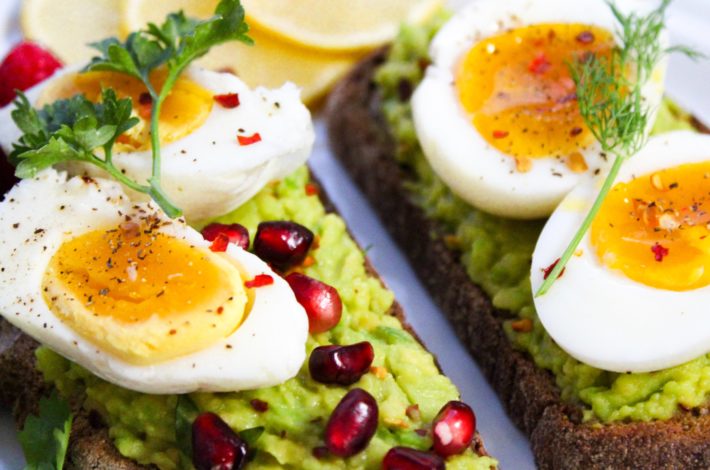
Eggs are a cheap source of fat and protein. While eating salmon several times a week while on a ketogenic diet can get expensive, eggs are on the cheaper end of the food spectrum. They can be included in a keto diet plan in various ways due to their adaptability. Because they are an excellent source of selenium, choline, phosphorus, and vitamin B12, eggs are a nutritious keto diet.

Cauliflower

Cauliflower is an excellent option to try if you’re new to the low-carb diet. Also known as cauliflower rice, it can be blended into a snow-like texture or mashed in place of potatoes. Additionally, it works well as a snack or as a pizza crust when combined with an almond meal. More flavorless than broccoli, it is higher in dietary fiber, B vitamins, and phytonutrients.

Avocado

Avocados play a significant role in the ketogenic diet. They are high in monounsaturated fats, packed with vitamins and minerals (including potassium), and contain lutein and zeaxanthin, which support the health of your eyes.

Olive Oil

Olive oil is the next item on the top ten keto foods list. Due to its abundance of antioxidants, food experts often recommend olive oil. Antioxidants provide a host of advantages, one of which is lowered risk for several diseases.

Nuts And Seeds

Nuts are a great source of fiber, healthy fats, and other essential nutrients. But seeds are also a great source of fiber and omega-3 fatty acids, among other nutrients. Therefore, the nutrients and nutritional advantages of each seed and nut vary.

However, because of their incredible ability to regulate appetite, food experts advise them for weight loss.

Meat

A keto diet includes a lot of meat. As your primary source of protein, while following the ketogenic diet, you can select either red meat or poultry. Red meat can, however, have higher levels of unhealthy saturated fat; therefore, you must be extremely cautious when purchasing meat.

Berries

Some of the most valuable and nutritious little meals are berries. There is a solid reason why they are regarded as superfoods. They are a nutritional powerhouse since they are nutrient-rich. Berries come in various flavors and varieties, such as blueberries, strawberries, raspberries, blackberries, acai berries, cranberries, goji berries, Aronia berries, and many more.

These berries contain vitamins C and K, fiber, and other nutrients, including potassium and potassium.

Plain Greek Yogurt and Cottage Cheese

Cottage cheese and plain Greek yogurt are healthy, high-protein foods. You can eat them in moderation while on keto, even if they contain carbs.

According to HealthLine.com:

It has been shown that yogurt and cottage cheese can help reduce hunger and foster feelings of fullness.

Both of these are delicious on their own as a snack, but you can also mix them with chopped almonds, cinnamon, or other spices to create a quick keto treat.

Summer Squash

Yellow squash and zucchini are two summer squashes that are low in carbohydrates and exceptionally adaptable.

According to MensHealth.com:

Zucchini is a staple of the keto diet. You can make zucchini noodles with a spiralizer, which is an excellent alternative to pasta or noodles.

Grated zucchini can be used to replace rice or added to baked products without changing their flavor. It can also be prepared as a cold salad by slicing it thinly with a mandoline and tossing it with salt, pepper, and olive oil.

Incorporating Natural Keto Products

  1. Using natural fats is essential for maintaining ketosis. Olive oil, coconut oil, avocado oil, and ghee provide high-quality fats that support energy and metabolic function. These oils are versatile for cooking, salad dressings, and drizzling over vegetables, making them a staple in keto meal planning.
  2. Nuts and seeds offer healthy fats, protein, and fiber. Almonds, walnuts, macadamia nuts, chia seeds, and flaxseeds are excellent low-carb options. They can be eaten as snacks, added to salads, or included in keto-friendly baked goods. Portion control is important, as nuts are calorie-dense and can contribute to overeating if not measured.
  3. Keto-friendly natural sweeteners provide flavor without spiking blood sugar. Options like stevia, monk fruit, and erythritol allow for sweet treats and beverages while keeping carbohydrate intake low. Using these sweeteners in moderation can help satisfy cravings without disrupting ketosis.
  4. Full-fat dairy supports fat intake and provides essential nutrients. Cheese, heavy cream, Greek yogurt, and unsweetened nut milks are keto-compatible options. They offer calcium, protein, and fat while keeping carbohydrate content low. Choosing minimally processed options ensures higher nutrient quality.
  5. Non-starchy vegetables and natural snacks are vital for vitamins and fiber. Leafy greens, broccoli, zucchini, and bell peppers provide antioxidants and minerals, supporting overall health. Keto-friendly snack products made from these ingredients, like vegetable chips or roasted seeds, can provide convenient, nutritious options.

Incorporating natural keto products such as healthy oils, nuts and seeds, natural sweeteners, full-fat dairy, and low-carb vegetables ensures nutrient-rich meals, supports ketosis, and enhances the overall health benefits of a ketogenic diet.

Tracking Progress on Keto

  1. Measuring ketones helps determine if the body is in a state of ketosis. Blood ketone meters, urine strips, and breath analyzers provide insight into fat-burning efficiency. Regular monitoring allows individuals to adjust carbohydrate and fat intake to maintain consistent ketosis and achieve better results.
  2. Keeping track of weight and body composition provides tangible feedback. While weight alone may fluctuate due to water loss or muscle gain, combining scale measurements with body fat percentage or circumference tracking gives a clearer picture of progress. Weekly tracking helps identify trends and motivates adherence to the keto plan.
  3. Tracking carbohydrates, protein, and fat ensures proper macro balance. Using apps or food journals helps maintain the ratios needed for ketosis. Monitoring portion sizes and total daily intake prevents accidental carb overconsumption and supports energy stability, muscle preservation, and fat loss.
  4. Noting daily energy levels, mental clarity, and physical performance provides qualitative insights. Many people experience improved focus and endurance on keto, while fluctuations may indicate the need for adjustments in macros, hydration, or electrolytes. Journaling these observations helps refine the diet to meet individual needs.
  5. Progress tracking allows for informed adjustments to the diet. If weight loss stalls, energy drops, or ketone levels are low, modifying carbohydrate intake, meal timing, or fat sources can optimize results. Regular tracking empowers individuals to make data-driven decisions, enhancing the effectiveness of the ketogenic lifestyle.

By monitoring ketone levels, weight, macronutrient intake, and energy or performance, individuals on a keto diet can track progress accurately, make necessary adjustments, and achieve sustainable results over time.

The Bottom Line

A ketogenic diet is high in beneficial fats, low in unhealthy carbohydrates, and moderate in protein. The above foods are among the top 10 ketogenic foods you can consume. For these meals, there is a tonne of recipes. However, before you consider them or make any dietary adjustments, please see your nutritionist.

According to keyforhealth.net

Good nutrition gives you energy and helps to control your weight. Supplements and vitamins can help your health, but they will never replace the nutrition that you get from high-quality food.

Leave a Reply

Your email address will not be published. Required fields are marked *